
Complaints from users, emergency interventions, non-compliance issues?
Sanipur's dedicated services and patented technologies ensure definitive solutions to all these issues.
Managing microbial remediation of water networks or proper disinfection of water tanks is not always easy: performing these operations autonomously can lead to immobilisation of personnel, incomplete or ineffective sanitisation, structural damages, and significant environmental impacts.
Additionally, incorrect dosing of disinfectants and repeated interventions without definitive results can cause water waste and complaints from end users.
With Sanipur’s patented technologies, we can offer you definitive and safe solutions with quick and effective actions.
What are the risks of inadequate residual disinfection along the water distribution system?
An inadequate residual disinfection along the water distribution system can cause significant risks for public health and water quality, such as:
- Biofilm Formation:
Biofilm is a microbial community that protects pathogens from the action of disinfectants, making their elimination more difficult and increasing the risk of contamination. - Reduced Disinfection Efficacy:
Residual disinfection is essential to eliminate waterborne pathogens. Inadequate coverage can reduce the disinfectant concentration to levels insufficient to protect the entire distribution network. - Unpleasant Odours and Tastes:
The lack of adequate disinfection can lead to the development of volatile organic compounds and other microbial decomposition products, which can unpleasantly affect the odour and taste of drinking water.
To mitigate these risks, it is crucial to maintain an adequate residual disinfection by choosing a disinfection system capable of ensuring a high-quality and safe drinking water throughout the entire distribution network.

Does your tank cleaning and disinfection procedure ensure odour elimination, constant residual disinfection, and microbiological compliance?
From our experience, when tank disinfection is not carried out regularly and with adequate expertise, the following problems frequently arise:
- Non-compliance and possible service interruption.
- Water turbidity and complaints from users.
- Partial sanitisation with non-definitive methods, requiring emergency remediation.
- Risk of compromising the structural integrity of the tanks.
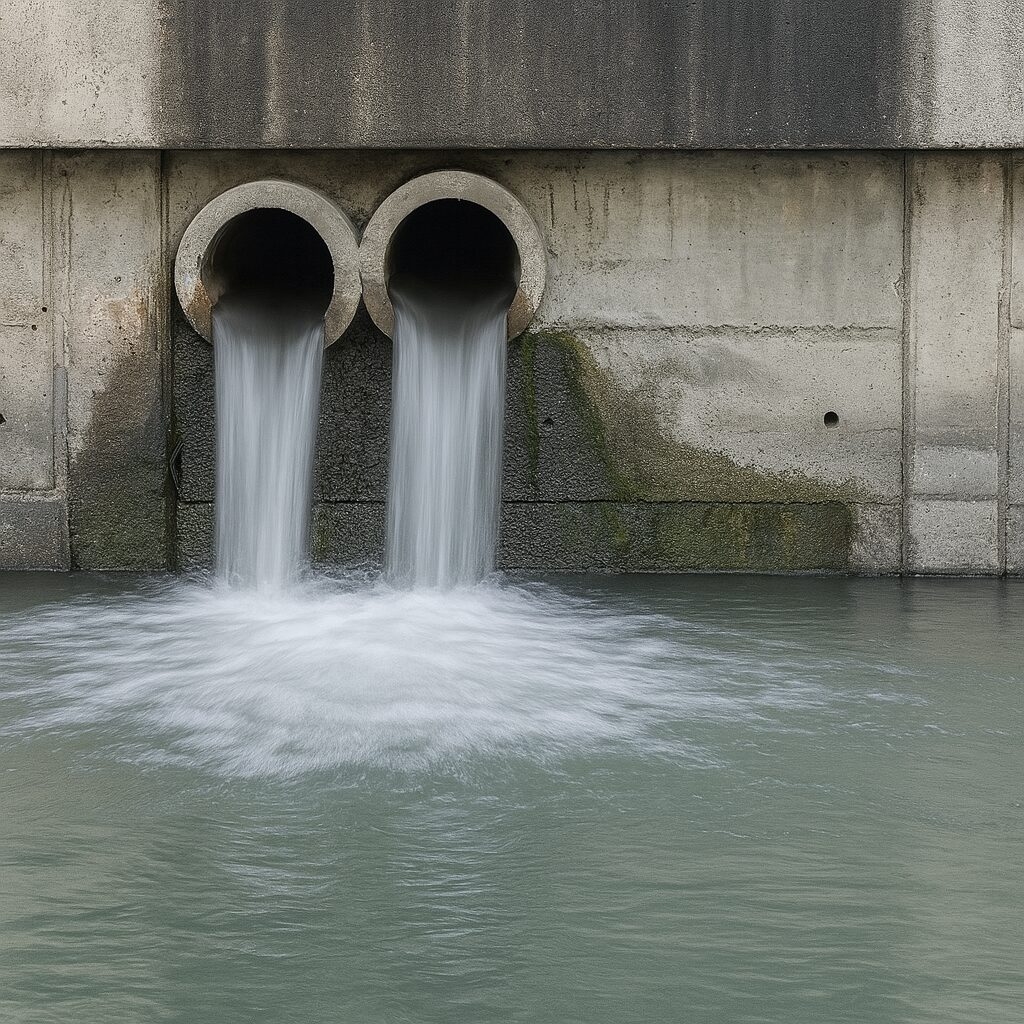
- Significant environmental impact due to the discharge of rinse water.
What are the Risks of Inadequate Remediation of Supply/Distribution Networks?
There are issues that occur more frequently.
Incorrect dosages of disinfectant can compromise the effectiveness of disinfection and the safety of drinking water.
Most importantly, repeated interventions without definitive results lead to an increase in complaints from end users.
Additionally, the continuous water wastage required by the interventions increases the inefficiency of the network.


What advantages do we offer to those who rely on us?
- Resolution of Organoleptic Issues: Achieved through the complete removal of biofilm and inorganic deposits at all intervention points.
- Tailored Solutions: A combination of technologies, services, and know-how suited to every type of system.
- Reduced Risk of Repeat Interventions: Eliminating the need for repeat interventions, thereby reducing complaints from end users.
- Capability to Disinfect Extensive Networks: Ability to eradicate chlorine-resistant bacterial species through a single dosing point.
- Certified and Trained Personnel: Interventions carried out exclusively by certified and trained in-house staff.
Additional benefits for tank interventions:
- Reduced Chemical Consumption: Simpler management of residual disinfection
- Minimised Operator Safety Risks: Enhanced safety for operators.
- Zero Environmental Impact: Ensuring zero environmental impact when necessary.
Learn more about our solutions.
- Remediation and cleaning of water networks: discover Saniclean Pipe
- Cleaning of tanks: discover Saniclean
- Secondary and residual disinfection: discover Sanikill

